
Dosed to your labs. Supervised by a physician.
Testosterone replacement therapy supervised by a board-certified physician. Comprehensive panel, monitoring, and adjustments, all included for $199 / month.
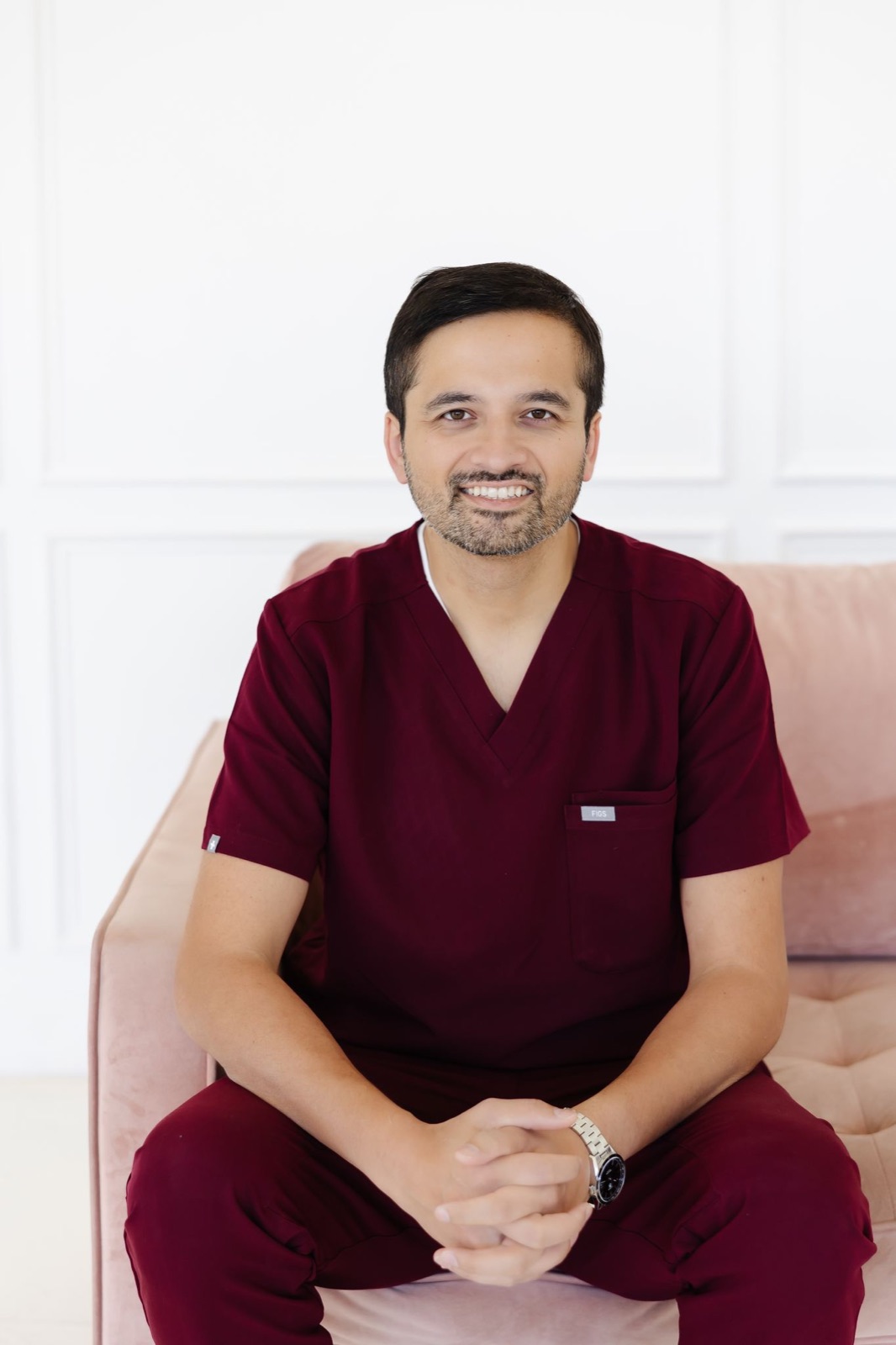
Testosterone replacement therapy (TRT) is the medical reintroduction of testosterone in men whose endogenous production has fallen below physiologic thresholds with documented symptoms. At Magnolia Men's Health in Southlake, TX, our protocol is $199/month all-inclusive — covering medication, weekly in-clinic injections, comprehensive labs every 6 to 12 weeks (total T, free T, SHBG, sensitive estradiol, hematocrit, prolactin, PSA, CMP, lipid panel), body composition scans, and physician follow-ups. Every plan is built or personally reviewed by Dr. Farhan Abdullah, DO, a board-certified internal medicine physician.
Testosterone replacement therapy (TRT) is the medical treatment for hypogonadism, the clinical condition in which a man's serum testosterone falls below the threshold needed for normal energy, sexual function, mood, body composition, and bone health. The 2018 Endocrine Society Clinical Practice Guideline defines hypogonadism as a total morning testosterone consistently below 300 ng/dL paired with at least two unambiguous clinical symptoms.1
TRT works by restoring serum testosterone to the physiologic range (typically 500–900 ng/dL for adult men) using pharmaceutical-grade testosterone delivered by subcutaneous injection, intramuscular injection, topical application, or implanted pellet. The Testosterone Trials, published in the New England Journal of Medicine in 2016, demonstrated that men aged 65 and older with documented low testosterone showed clinically meaningful improvements in sexual function, mood, vitality, and walking distance after one year of treatment.2 The 2023 TRAVERSE trial confirmed cardiovascular safety in men with hypogonadism and existing cardiovascular risk factors.3
What TRT is not: a performance enhancer, an anti-aging gimmick, or a substitute for sleep, training, and metabolic health. We treat clinically confirmed deficiencies in men with symptoms, not numbers in isolation, and not patients who would be better served by lifestyle intervention or evaluation for non-hormonal causes of fatigue.

Honest evaluation matters more than aggressive treatment. Here is who benefits, and who should defer or pursue an alternative.
Testosterone is a steroid hormone synthesized in the Leydig cells of the testes under the regulatory control of the hypothalamic-pituitary-gonadal axis. Luteinizing hormone (LH), secreted by the anterior pituitary in pulsatile fashion, signals the testes to produce testosterone. The hormone circulates bound to sex hormone-binding globulin (SHBG) and albumin, with a small fraction (1 to 3 percent) circulating as free testosterone, the metabolically active form.
In hypogonadal men, exogenous testosterone restores the substrate that the body requires for androgen receptor activation across multiple tissues: skeletal muscle, central nervous system, hematopoietic system, bone, adipose tissue, and the cardiovascular system. The clinical effects observed during properly dosed TRT, improved energy, libido, lean mass, mood, and sleep, reflect this systemic restoration.2
A portion of administered testosterone converts to estradiol via aromatase, predominantly in adipose tissue. Estradiol is essential for male bone health, cardiovascular function, and brain health, and should be maintained, not eliminated. The Endocrine Society guidelines emphasize that estradiol management should be guided by sensitive-assay measurement and clinical symptoms, not reflexive aromatase inhibitor prescription.1
A second portion converts to dihydrotestosterone (DHT) via 5-alpha reductase, the most potent androgen at the receptor level. DHT mediates many of testosterone's effects on libido, mood, and the prostate. Men with genetic susceptibility to androgenic alopecia may notice accelerated hair loss on TRT, which we discuss before initiating therapy and can mitigate with finasteride when appropriate.
We discuss all three at your free visit and choose the one that fits your schedule, anatomy, and preferences.
Testosterone cypionate, twice weekly into the subcutaneous fat. Stable serum levels, lowest peak/trough variation, best evidence base. Self-administered after first training visit. Sourced through a licensed compounding pharmacy.
Daily application to clean skin (chest, shoulders, inner thighs). Useful for men who prefer no needles or have very low SHBG. Application discipline matters; transfer to spouses or children must be avoided. Generally lower peak T than injection.
Implanted in gluteal fat under local anesthetic, releases testosterone over 3 to 4 months. Convenient, but limited dose adjustability mid-cycle. Higher upfront cost, lower long-term maintenance. Risk of extrusion or local site reaction.
If you've been to a chain where the physician is a name on a website and the actual care is delegated, you'll recognize the gaps. Here's what changes when a board-certified physician sets, reviews, and adjusts every protocol himself.
From first call to optimized levels, our process is built to be transparent, calibrated, and accountable.
On-site testosterone test with same-day results, body composition scan, and a fifteen-minute consult with the medical director. If treatment is appropriate, we order a comprehensive baseline panel, often billable to insurance.
Once your labs are back, we meet again to review them, confirm a diagnosis, and start your protocol. Medication ships to your door or is administered in clinic.
Repeat panel at week six. We compare baseline to current values, review symptom changes, and titrate as needed. Then quarterly thereafter.
Individual response varies. Some men feel changes in two weeks; others take eight. The lab data at your week-six and three-month visits tells us whether the protocol is working.

Most men we treat add measurable strength to their compound lifts within the first sixteen weeks — not because the testosterone made them stronger overnight, but because recovery returned and they could finally train hard without breaking down.
We dose to your bloodwork, calibrate at week six, and adjust quarterly. Real medicine on a real schedule, in our on-site lab.
All medical interventions carry risk. The known risks of properly dosed, properly monitored TRT are well-characterized in the literature. Here is what we screen for, in clinical order of relevance:
Monitoring schedule. Baseline panel before treatment, at week 6, at 3 months, then every 3 to 4 months for the remainder of year one, and every 6 months thereafter. Total testosterone, free testosterone, sensitive estradiol, hematocrit, lipid panel, comprehensive metabolic panel, and PSA at every full panel. CBC and PSA more often if hematocrit or prostate symptoms warrant.


The cash program is the simple, predictable path. HSA and FSA cards accepted — most patients pay with pre-tax dollars and effectively bring the monthly cost into the $130–$160 range. We're also credentialed with the major payors and we'll bill insurance for men who qualify, but most plans require strict criteria (typically two morning T below 300 ng/dL plus documented symptoms) and many men with real symptoms don't make the cutoff. We built the cash program so that's never the end of the road. See your coverage odds in 60 seconds →
Even when insurance "covers" TRT, the all-in cost — deductible, copays, lab share, medication — often lands close to or above the cash program:
Insurance estimates assume a typical PPO with $2,500 deductible and brand-name testosterone copays after deductible is met. Your actual numbers depend on your specific plan — and we verify exact benefits AND your actual labs at your free first visit, so you walk out with a decision, not a wait.
Add-ons when your labs require them: anastrozole ($49/mo) for estrogen management, HCG ($239) or gonadorelin ($149) for fertility/testicular volume preservation, topical or pellet testosterone if injection isn't right for you. All transparently priced at compounded pharmacy rates.
Either way, your first testosterone check, body composition scan, and doctor consultation are completely free. No charge. No commitment.
By week three I had my mornings back. By week six, my workouts. By week twelve, the man I was before I started feeling old. Dr. Abdullah's calibration is what made the difference, the dose I started on wasn't where I ended up.
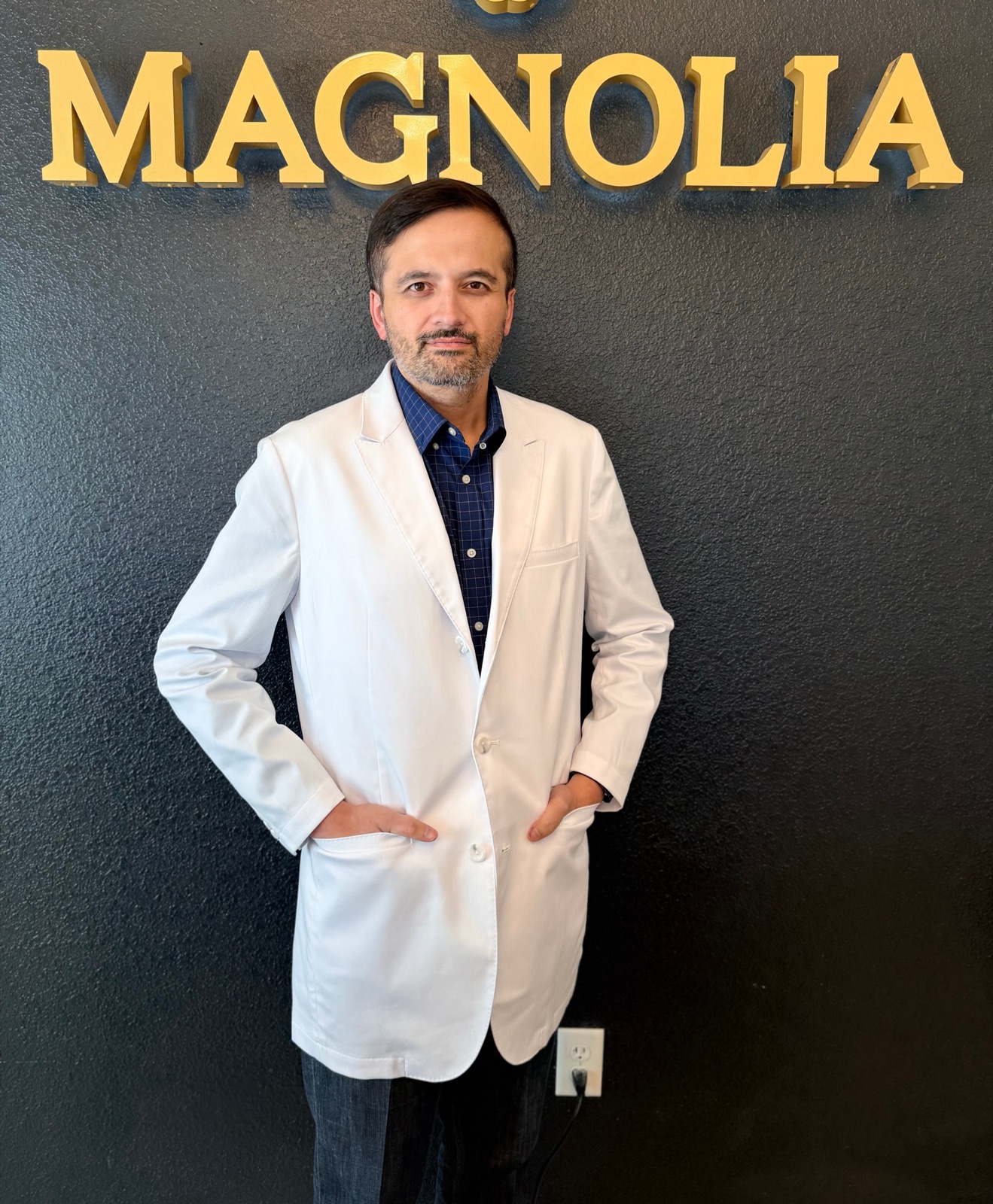
Dr. Abdullah is a board-certified internal medicine physician based in Southlake, TX, and an IFM-certified functional medicine practitioner. He focuses on men's hormone health — testosterone optimization, GLP-1 weight loss, sexual health, peptides, and longevity — and personally reviews and adjusts every protocol that leaves the clinic.
This page is reviewed by Dr. Farhan Abdullah, DO, and updated as the clinical evidence base evolves. Last reviewed April 28, 2026. Content is for educational purposes and does not substitute for individualized medical advice. If you are considering treatment, please book a consultation.
15 minutes with the medical director. We'll review symptoms and order labs if appropriate.
or call (817) 749-6946