
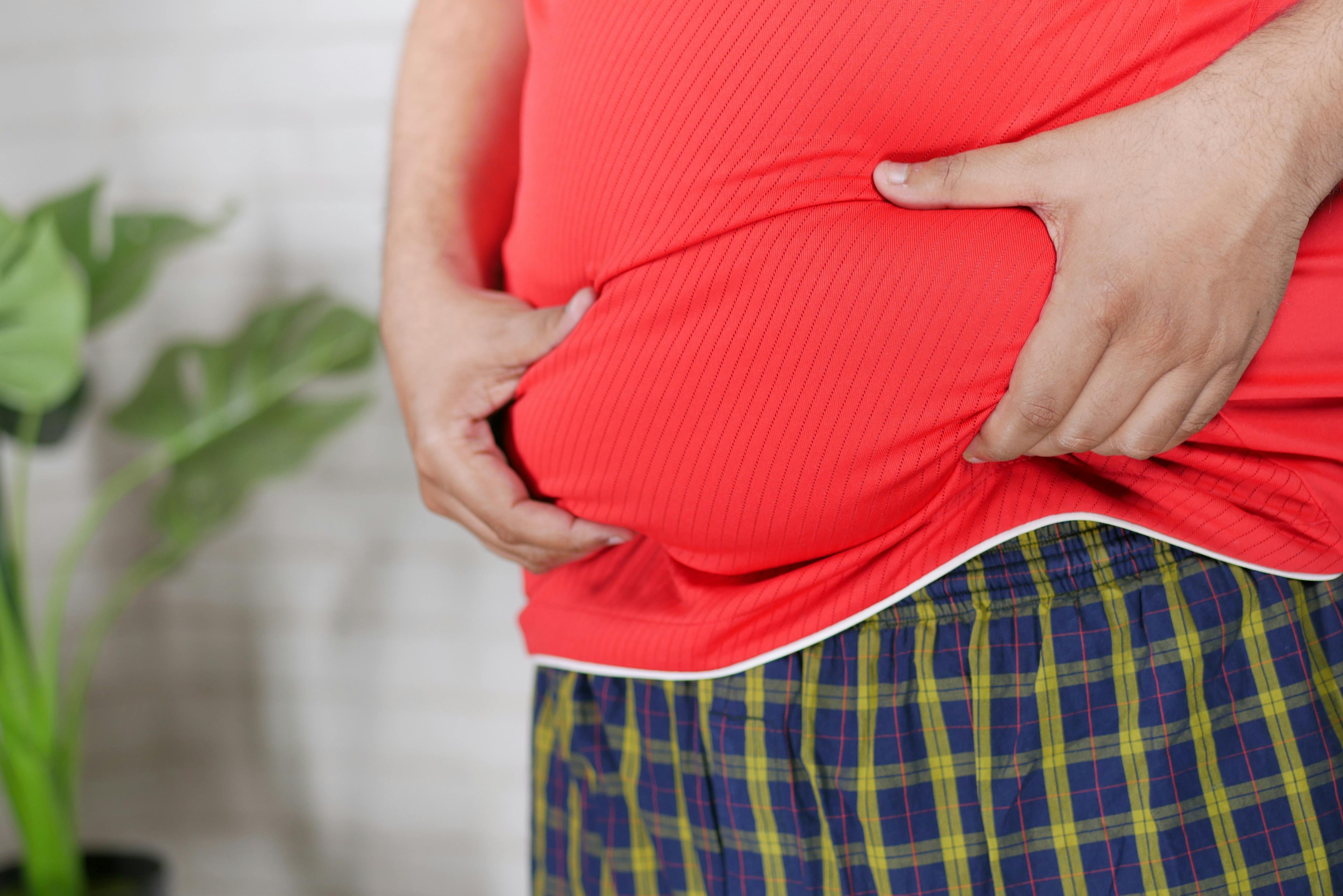
Let me guess. You've been working out, watching what you eat, maybe cutting back on beer. And the belly? Still there. Still mocking you in the bathroom mirror at 6 a.m.
If you're a guy in your late 30s, 40s, or 50s here in the Dallas-Fort Worth area, this is one of the most common complaints I hear in my Southlake clinic. The story goes something like this: "Doc, I was lean my whole life. Haven't really changed anything. But this gut showed up and won't leave." So you ask the obvious follow-up. Could low testosterone be why? And if I start TRT, will it actually melt this thing off?
The honest answer is yes, kind of, with caveats. TRT can absolutely help men lose belly fat, especially the stubborn visceral fat that wraps around your organs and drives chronic disease. But it's not a fat-burner pill, and the way it works is more interesting (and more useful) than most clinics will tell you. Let's get into the actual science.
How Does Testosterone Affect Where Your Body Stores Fat?
Testosterone directly influences how your body stores fat, particularly around your abdomen. When testosterone drops, your body becomes more efficient at storing visceral fat (the deep belly fat surrounding your organs) and less efficient at building lean muscle. Restoring testosterone reverses this pattern over time.
Here's the part most guys don't realize. Fat tissue isn't passive storage. It's metabolically active, and it's constantly talking to your hormones. Belly fat in particular contains an enzyme called aromatase, which converts testosterone into estrogen. So the more belly fat you carry, the more testosterone gets siphoned off into estrogen, which then drives even more fat storage. Welcome to the loop nobody warned you about.
Studies going back two decades show that low testosterone is independently associated with increased visceral adiposity, even after controlling for diet and activity. A 2016 review in Obesity Reviews found that men with hypogonadism had significantly higher visceral fat mass and waist circumferences than age-matched men with normal testosterone. If you've been wondering why your gut shows up despite your habits not changing, this is a big piece of it. I dig deeper into this connection in my piece on low testosterone and weight gain in men.
What Does the Research Say About TRT and Belly Fat?
Multiple long-term studies show that testosterone replacement therapy reduces waist circumference and visceral fat in hypogonadal men. The strongest data comes from registry studies running 5 to 11 years, where men on consistent TRT lost an average of 4 to 6 inches off their waistline.
The Moscow study group published one of the longest-running registries we have. Over 11 years of follow-up, men with low testosterone who stayed on TRT saw progressive reductions in body weight, waist circumference, and BMI. Men who stopped TRT, or never started, gained weight over the same period. That's not a small effect. That's a measurable shift in body composition that holds up year after year.
A 2020 meta-analysis pooling 22 randomized trials found that TRT consistently reduced fat mass and waist circumference, with the strongest effects on visceral (organ-surrounding) fat rather than subcutaneous (under the skin) fat. That's actually the kind of fat we care about most clinically, because visceral fat is what drives insulin resistance, inflammation, and cardiovascular risk.
Here's the catch though. These studies all involved men with documented low testosterone, not guys with normal levels chasing aesthetics. TRT isn't a fat-loss drug. It's a hormone replacement therapy that, when given to men who actually need it, restores their body's natural fat-burning machinery. Big difference. If you're not sure whether you actually need it, my guide on testosterone replacement therapy at Magnolia Men's Health walks through who qualifies and what the evaluation process looks like.
Why Is Belly Fat So Stubborn When You Have Low T?
Low testosterone creates a perfect storm for stubborn belly fat. It increases insulin resistance, lowers your resting metabolic rate, makes muscle harder to build, and feeds estrogen production through abdominal aromatase activity. All four mechanisms work together, which is why diet and exercise alone often fail.
Let's break that down. First, insulin resistance. Low testosterone makes your cells less responsive to insulin, which means your body keeps insulin levels elevated to compensate. High insulin is a fat-storage signal, especially around your midsection. I wrote a deeper piece on this connection in insulin resistance in men and why it matters.
Second, your resting metabolic rate drops. Testosterone helps maintain lean muscle mass, and lean muscle is your metabolic furnace. When testosterone falls, you lose muscle slowly but steadily (about 1 to 2 percent per year after age 40), and your daily calorie burn drops along with it. So even if you're eating the same as you did at 30, you're now eating in a surplus.
Third, muscle protein synthesis slows down. You can lift just as hard, but your body doesn't rebuild as efficiently. That's why the same workout that used to give you results now feels like spinning your wheels.
And fourth, that aromatase loop. Belly fat literally manufactures estrogen out of your testosterone, lowering your T further while pushing you toward more fat storage. It's a metabolic doom spiral, and you can't out-exercise it. This is exactly why so many men hit a wall after 40, and it's something I covered extensively in why it's so hard to lose weight after 40.
How Much Belly Fat Can You Actually Lose on TRT?
On average, men with low testosterone lose between 5 and 10 percent of their body weight over 12 to 24 months on TRT, with most of the loss coming from visceral fat and waist circumference shrinking 2 to 4 inches. Results vary based on diet, exercise, sleep, and starting body composition.
Some guys see fast changes. I've had patients drop 3 inches off their waist in 4 months. Others move slower, especially men over 55 or men with significant insulin resistance at baseline. The pace isn't really the point though. The point is the trend. Men on properly dosed TRT, who also clean up their sleep, eat enough protein, and lift weights twice a week, trend toward leaner body composition over time.
What you should NOT expect is overnight transformation. TRT isn't Ozempic. It doesn't crush appetite. What it does is fix the underlying hormonal environment that's been making belly fat impossible to lose despite your best efforts. The work still falls on you. TRT just makes it pay off again.
If you want a more granular breakdown of the body composition changes you can expect, I covered the timeline in testosterone and weight loss: does TRT actually help you lose fat?
Can You Combine TRT with Other Treatments for Faster Belly Fat Loss?
Yes, and for the right patient, combining TRT with GLP-1 medications, peptide therapy, or targeted nutrition coaching can dramatically accelerate visceral fat loss. The key is treating the whole metabolic picture rather than relying on any single intervention.
For men carrying significant excess weight (say, 30 pounds or more), pairing TRT with a GLP-1 medication like semaglutide or tirzepatide often produces the fastest results. The TRT addresses the hormonal piece, while the GLP-1 calms appetite and improves insulin sensitivity. I see this combination work especially well in men 40+ who've tried "everything" without lasting results. If GLP-1 therapy is on your radar, my breakdown of whether GLP-1 medications help men lose stubborn belly fat is worth a read.
Another option I use selectively is tesamorelin, a peptide specifically studied for visceral fat reduction. Originally developed for HIV-related lipodystrophy, it's now used off-label in functional medicine for the kind of stubborn deep belly fat that doesn't move with standard interventions. I dive deeper into how this works in my article on tesamorelin and visceral fat.
And don't underestimate cortisol. Chronic stress jacks up cortisol, which directly promotes visceral fat storage AND further suppresses testosterone. So you could be doing everything else right, and still spinning your wheels because your sleep is trashed and your nervous system is in fight-or-flight mode all day. The connection between cortisol and your hormones is one I find myself explaining constantly. Worth reading my full breakdown on how cortisol destroys testosterone in men.
What Should You Do Before Starting TRT for Belly Fat?
Before starting TRT, get a complete hormone panel including total and free testosterone, SHBG, estradiol, LH, FSH, and a metabolic workup with fasting insulin and HbA1c. This baseline tells you whether your belly fat is really a testosterone issue, an insulin issue, a cortisol issue, or all three.
Most cookie-cutter clinics will run a single total testosterone, see a "normal" number, and either prescribe blindly or send you home. That's lazy medicine. Total testosterone alone misses about a third of guys who actually have hormone-driven belly fat, especially men with elevated SHBG (sex hormone-binding globulin), which can lock up most of your testosterone in an inactive form. I broke down why this matters in SHBG and testosterone: why your total T number is lying to you.
A proper workup should also rule out thyroid dysfunction, vitamin D deficiency, sleep apnea, and metabolic syndrome. Any of these can mimic or worsen low T symptoms, and TRT alone won't fix them. We do this full workup as the standard intake at our Southlake testosterone replacement therapy program because skipping it leads to mediocre results and unnecessary side effects.
Frequently Asked Questions
How long does it take for TRT to start affecting belly fat?
Most men see waist measurements start moving by month 3 to 4, with continued gradual improvement through 12 to 24 months. The first 30 days bring energy and mood changes, while body composition shifts come later as muscle rebuilds and metabolism normalizes.
Will I lose belly fat on TRT without changing my diet?
Some men do, but results are far better when TRT is paired with a higher-protein diet, resistance training, and consistent sleep. Without lifestyle support, you'll likely see modest fat loss but won't get the full benefit of restored testosterone.
Does TRT only work on visceral fat or subcutaneous fat too?
Studies show TRT preferentially reduces visceral fat (the deep, organ-surrounding fat that drives metabolic disease), with smaller effects on subcutaneous fat. This is actually a good thing because visceral fat is the type linked to heart disease, diabetes, and inflammation.
What if I'm overweight but my testosterone is "normal"?
Normal-range testosterone with low T symptoms is common, especially when SHBG is elevated or free testosterone is low. A complete hormone panel often reveals the issue lab ranges miss. Other treatments like GLP-1 therapy or peptides may also be worth considering depending on your full metabolic picture.
Can young men in their 20s or 30s with low T benefit from TRT for belly fat?
Yes, but younger men should also explore underlying causes like sleep apnea, opioid use, environmental toxins, or hypothalamic suppression. Sometimes treating the root cause restores natural testosterone. When TRT is appropriate, it can absolutely help reverse hormone-driven belly fat at any adult age.
Ready to Find Out If TRT Could Help Your Belly Fat?
If you've been fighting stubborn belly fat and suspect your hormones might be part of the story, don't guess. Get tested. At Magnolia Men's Health in Southlake, TX, we work with men across the DFW area (and via telehealth across Texas) to figure out exactly what's driving your symptoms and build a plan that actually works for your body. That might mean testosterone replacement therapy, GLP-1 medical weight loss, peptide therapy, or some combination tailored to your labs and goals.
You can book a free consultation with our team and we'll walk you through what testing makes sense and whether TRT is even the right call. No pressure, no upsells, just straight talk from a doctor who's seen this story play out hundreds of times.
Your gut isn't a moral failing. It's a metabolic signal. Let's figure out what it's telling you.