
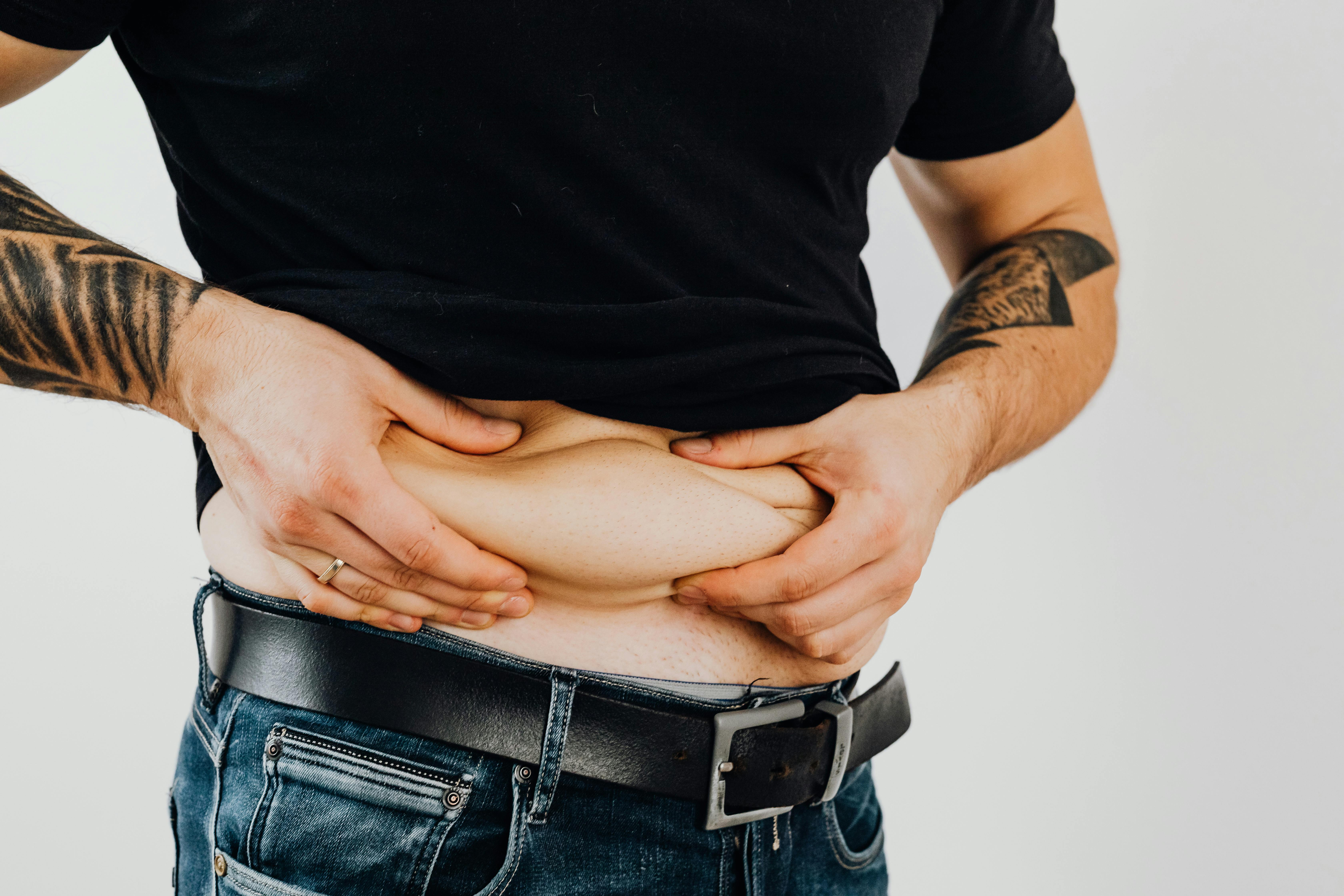
If you've ever stood in front of the mirror wondering why your belly refuses to budge while everything else seems to listen, you're not alone. As a physician in the Dallas-Fort Worth area, I've had this exact conversation with men more times than I can count. The abdomen becomes this weird, stubborn holdout. And the honest truth? GLP-1 medications like semaglutide and tirzepatide have genuinely shifted what's possible for guys trying to finally crack that particular code.
So, Can GLP-1 Medications Actually Help Men Lose Stubborn Belly Fat?
Yes, GLP-1 medications can help men lose stubborn belly fat, including visceral fat around the organs. Clinical trials show men lose 15 to 25 percent of body weight on tirzepatide and 10 to 15 percent on semaglutide. A disproportionate share of that loss comes from the abdominal region, which matters for metabolic health.
Here's the bigger picture. Stubborn belly fat in men is rarely just about calories. It's a mix of insulin resistance, cortisol patterns, declining testosterone, poor sleep, and a metabolism that slows with age. GLP-1 agonists attack the problem from multiple angles. They reduce appetite, slow gastric emptying, lower insulin spikes, and improve how your body handles glucose. The result is a calorie deficit your body doesn't fight against, plus a metabolic environment that actually favors fat loss in the midsection.
Studies from 2024 and 2025 keep reinforcing one finding: GLP-1 users lose a higher percentage of visceral adipose tissue (the dangerous deep abdominal fat) than peripheral fat. That's a win for heart health, liver health, and how your pants fit.
Why Is Belly Fat So Stubborn in Men Specifically?
Belly fat is stubborn in men because testosterone converts to estrogen through an enzyme called aromatase, which is highly active in abdominal fat cells. More belly fat creates more estrogen. More estrogen lowers testosterone. Lower testosterone encourages more belly fat. The loop keeps tightening.
I've seen this pattern hundreds of times at my Southlake clinic. A guy comes in at 42, says he's been active his whole life, and suddenly there's a spare tire that wasn't there at 35. His testosterone is on the low end, his fasting insulin is creeping up, and he's sleeping terribly. That's not one problem. That's five problems feeding each other.
Visceral fat is metabolically active in a bad way. It secretes inflammatory cytokines that mess with your insulin sensitivity and your hormones. It isn't just sitting there. It's actively making your body worse. Men store fat viscerally (around the organs) rather than subcutaneously (under the skin), which is partly why heart disease risk climbs as the waistline does. If you want to understand this feedback loop better, I wrote about the hormonal reasons weight loss gets harder after 40.
The Testosterone Connection
Low testosterone is often both a cause and a consequence of abdominal obesity in men. When I work up a man with stubborn belly fat, I'm not just looking at his diet. I'm looking at his total T, free T, SHBG, estradiol, fasting insulin, and hs-CRP. The fix usually isn't one thing. It's rebuilding a metabolic ecosystem. Check out my piece on low testosterone and weight gain in men if you want to see how deep the connection runs.
How Do GLP-1 Medications Target Belly Fat?
GLP-1 medications target belly fat through three primary mechanisms: appetite suppression that creates a consistent calorie deficit, improved insulin sensitivity that halts the fat-storage cascade, and direct effects on how the body partitions fat during weight loss. The end result is preferential loss of visceral fat.
Let me break this down in plain English. When you eat, your gut naturally releases GLP-1 (glucagon-like peptide-1). It tells your brain you're full, tells your pancreas to release insulin carefully, and tells your stomach to slow down. Problem is, modern diets blunt this signal. You never really feel full. You eat again two hours later. Your insulin is always running.
GLP-1 medications like semaglutide (Wegovy, Ozempic) and tirzepatide (Mounjaro, Zepbound) are synthetic versions of this signal, only stronger and longer-lasting. Tirzepatide also activates the GIP receptor, which improves lipid metabolism further.
What this means for your belly: insulin spikes drop, insulin sensitivity improves, appetite normalizes, and your body gets to dig into fat stores for fuel. The deep visceral fat is metabolically the most active, so it responds first. That's why so many guys notice their waist shrinking before the scale drops dramatically. For a deeper breakdown of how semaglutide actually works, I covered that in my semaglutide doctor's guide. And if you want to understand why insulin resistance is the hidden driver behind all of this, start there.
Semaglutide vs. Tirzepatide: Which Is Better for Male Belly Fat?
For most men targeting belly fat, tirzepatide produces more weight loss than semaglutide. In the SURMOUNT-1 trial, tirzepatide achieved 20.9 percent average body weight loss at the highest dose versus semaglutide's 14.9 percent in STEP 1. Both reduce visceral fat, but tirzepatide's dual action often delivers faster visceral fat reduction in men.
That said, "better" depends on the patient. I have guys who do phenomenally on semaglutide and tolerate it beautifully. Others need tirzepatide because they have more resistant metabolism or more weight to lose. Insurance, cost, and availability also factor in. I go through this comparison in detail in my semaglutide vs. tirzepatide breakdown.
Both medications tend to show stronger visceral fat reduction in men compared to women, likely because men start with more visceral fat to lose. That's not a consolation prize. That's actually good news if your main concern is the gut.
What Results Can Men Realistically Expect?
Men on GLP-1 therapy typically lose 1 to 2 pounds per week in the first three months, with total body weight reductions of 10 to 25 percent by month 12. Belly measurements often drop 2 to 6 inches during this period. Visceral fat, measured by MRI or DEXA scan, decreases 15 to 30 percent on average.
Realistic doesn't mean slow. I've had patients at my medical weight loss clinic in Southlake drop four belt notches in six months while feeling like they actually have their life back. But I also set expectations carefully. The first two or three weeks are often uncomfortable as the body adjusts. Nausea, constipation, reflux, and fatigue can all show up. Most of this calms down with proper dose titration and some practical adjustments (smaller meals, less fat in the diet initially, adequate hydration).
The real success stories come from guys who pair the medication with three things: resistance training, high protein intake, and good sleep. GLP-1s don't discriminate between muscle and fat the way you want them to. If you lose weight without lifting and eating enough protein, you'll lose muscle along with belly fat. Then your metabolism stalls, and rebound weight gain becomes way more likely. I go deeper on that lean-mass problem in my article on testosterone and fat loss.
Is GLP-1 Therapy Safe for Men Long-Term?
GLP-1 therapy is generally safe for men long-term based on current evidence, with most issues being GI-related and manageable. Cardiovascular outcome trials show reduced heart attack and stroke risk in overweight adults. Rare concerns include pancreatitis and gallbladder issues. Regular lab monitoring and clinical follow-up catch problems early.
I've been prescribing these medications for men with both metabolic disease and aesthetic weight-loss goals, and the safety profile holds up. The SELECT trial in 2023 showed semaglutide reduced major adverse cardiovascular events by 20 percent in overweight adults. That's not a small thing. A medication that helps you lose belly fat and protects your heart at the same time? That's the kind of two-for-one that genuinely changes clinical practice.
The caveats are real though. GLP-1s aren't for men with a personal or family history of medullary thyroid cancer or MEN2 syndrome. Pancreatitis is rare but possible. If you have severe gastroparesis already, these aren't for you. And you need a doctor who actually monitors you, not a pill-mill operation that ships medication with no oversight. I've seen people on compounded GLP-1s with no labs, no follow-up, and no plan. That's how problems get missed.
Should You Combine GLP-1 With Other Men's Health Treatments?
Combining GLP-1 therapy with testosterone optimization, targeted peptides, or metabolic support can dramatically accelerate belly fat loss in men with multiple hormonal issues. Men with documented low testosterone often see better results when hormone replacement runs alongside GLP-1 therapy, because the two address different root causes of abdominal fat.
This is where functional medicine really earns its keep. A 45-year-old with a BMI of 32, total T of 280, fasting insulin of 18, and poor sleep doesn't need one intervention. He needs a plan that targets several systems at once. For some of my patients, that looks like tirzepatide plus TRT. For others, it's semaglutide paired with tesamorelin, a peptide specifically indicated for visceral fat. For still others, it's GLP-1 alongside lifestyle overhaul and cortisol management. If you're curious about how GLP-1 interacts with your testosterone specifically, I covered that in my piece on whether GLP-1 affects testosterone levels in men.
At Magnolia Men's Health, I spend the first visit pulling apart the full picture. Bloodwork, body composition, sleep data, stress markers, medication history. Then we build a medical weight loss plan that fits the person in front of me. Cookie-cutter protocols aren't my thing.
What Happens When You Stop GLP-1 Medication?
When men stop GLP-1 medication without a transition plan, research shows most regain 50 to 65 percent of the weight lost within a year. The regained weight tends to return disproportionately to the belly. A structured tapering protocol, continued lifestyle support, and ongoing hormone optimization dramatically reduce this rebound effect.
This is the question nobody wants to answer honestly, so I will. GLP-1s aren't a short-term fix unless you're willing to put serious work into the foundation during your time on the medication. Think of it as a window. While appetite is controlled and insulin is calmer, you need to build muscle, improve your sleep, fix your gut, and establish eating patterns that actually work when the medication is gone.
My patients who taper successfully have usually spent 12 to 18 months on the medication and built real habits along the way. They're lifting weights. They're hitting protein targets. They're sleeping seven-plus hours. Their insulin resistance has reversed. That's what makes weight loss stick.
Frequently Asked Questions
How fast will I see belly fat loss on GLP-1?
Most men notice waist circumference reduction within the first four to eight weeks, often before the scale drops dramatically. Visible changes in the gut usually show up around the 90-day mark, especially if you're lifting weights and eating enough protein.
Does GLP-1 target belly fat specifically or all fat?
GLP-1 medications promote overall fat loss, but visceral fat tends to respond first because it's metabolically active. That's why belly measurements often shrink faster than other body areas during treatment.
Will I lose muscle along with belly fat?
You can, especially if you aren't lifting weights and eating enough protein. Men should aim for at least 1 gram of protein per pound of goal body weight and train with resistance 3 to 4 times weekly during GLP-1 therapy.
Can I get GLP-1 therapy through telehealth in Texas?
Yes. At Magnolia Men's Health, we offer telehealth consults for Texas residents, and many patients never need to come into the clinic physically. You'll still need bloodwork done through a local lab near you.
Is GLP-1 covered by insurance for weight loss?
Coverage varies widely. It's often covered for type 2 diabetes but frequently not for weight loss alone. We go through pricing and options during the initial consult and work through both insurance and cash-pay paths.
Ready to Finally Do Something About It?
If you've read this far, something about your belly is bothering you. That's worth taking seriously. The good news is there's more working in your favor now than there has been in decades. Between GLP-1 therapy, hormone optimization, and a real plan, stubborn belly fat isn't the life sentence it used to be.
If you're in Dallas, Fort Worth, Southlake, or anywhere in Texas, I'd love to help you figure out the right path. Book a free consultation and let's look at the whole picture together. You don't have to keep fighting this one alone.