
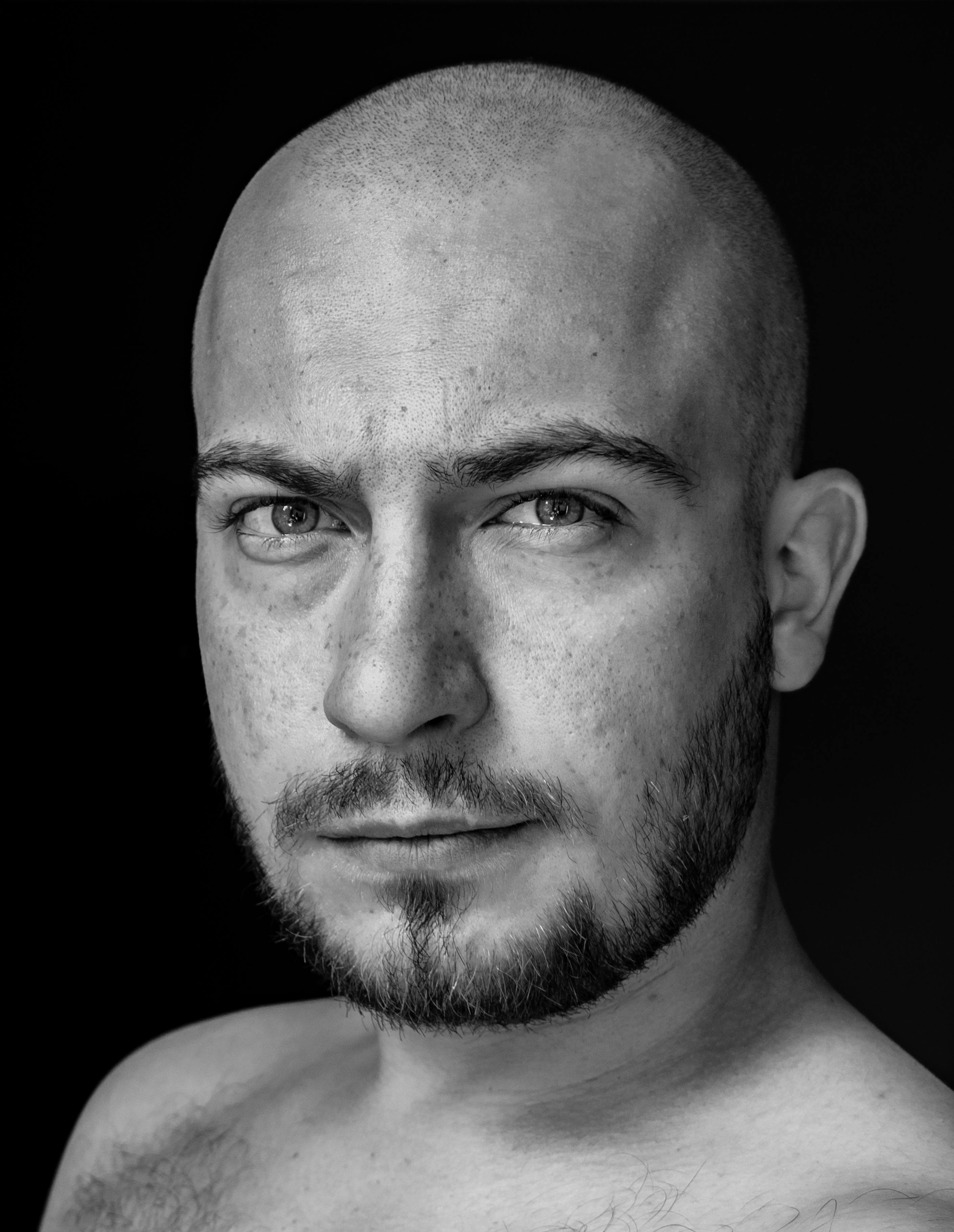
Something funny happens when men walk into my office to talk about testosterone replacement therapy. We'll cover fatigue, libido, body composition, sleep, mood, all the big stuff. Then, right as they're about to leave, they lower their voice and ask the question that's been rattling around in their head the whole appointment: "Doc, is this going to make me lose my hair?"
I get it. Hair is emotional. Watching your temples creep back or finding more strands in the shower isn't something most guys want to invite into their life on purpose. And if you're already considering testosterone replacement therapy, the hair loss question deserves a straight answer, not the dismissive "you'll be fine" that a lot of clinics hand out.
So let's talk about what's actually true, what's myth, and what you can do about it. I'm Dr. Farhan Abdullah, board-certified in internal medicine and certified in functional medicine, and I run Magnolia Men's Health in Southlake, Texas. I've put hundreds of Dallas-Fort Worth guys on TRT. Here's what I've seen in the exam room and what the science actually says. If you're brand new to all of this, you might want to read my complete guide on what TRT is first, then come back here.
Does TRT Actually Cause Hair Loss?
Testosterone replacement therapy doesn't directly cause hair loss, but it can accelerate male pattern baldness in men who are already genetically prone to it. The real culprit isn't testosterone. It's a byproduct called DHT (dihydrotestosterone), and how your hair follicles respond to it depends almost entirely on your family tree.
If you look at the men in your family and see thinning hair or slick scalps by 40, you've got some genetic wiring that makes your hair follicles sensitive to DHT. TRT raises your testosterone, which gives your body more raw material to convert into DHT. More DHT means faster miniaturization of those already vulnerable follicles. That's the mechanism in a nutshell.
But if your dad, uncles, and grandfathers are all still rocking thick hair at 70? Your genetic risk is low. You can go on TRT and your hair probably won't budge. I've treated plenty of men in Dallas-Fort Worth who've been on testosterone for years and haven't lost a single follicle. Genetics is the filter.
What's the Difference Between Testosterone and DHT?
DHT is a more potent androgen made from testosterone by an enzyme called 5-alpha reductase. Roughly 5 to 10 percent of your testosterone gets converted to DHT in tissues like the scalp, prostate, and genitals. DHT binds to hair follicles about three times more tightly than testosterone itself, which is why it drives male pattern baldness.
Think of testosterone as the raw ingredient and DHT as the concentrated version your scalp reacts to. Here's the catch: DHT isn't evil. You actually need it. It's essential for genital development, libido, erectile function, and general masculine characteristics. Without DHT, you'd have some serious sexual and developmental issues. The problem is that the exact same hormone that helps things work downstairs can wreak havoc on the follicles up top, but only if you're genetically sensitive to it.
This is why I push back when guys ask me to crush their DHT to zero. That's a bad trade. We can manage hair loss risk without nuking a hormone your body needs for sexual health. For a deeper dive on androgens, check out my breakdown of what testosterone actually does in the male body.
Who Actually Loses Hair on TRT?
Men who lose hair on TRT almost always have a genetic predisposition for androgenic alopecia that was already in motion. Studies show testosterone therapy doesn't cause new-onset baldness in men without genetic risk, but it can speed up hair loss in guys who were already on that path. Your DNA sets the ceiling.
Research in Dermatologic Therapy and Andrology over the past few years backs this up: baseline androgen receptor sensitivity and 5-alpha reductase activity in your scalp are what determine vulnerability. TRT is essentially an accelerator pedal on a car that was already rolling downhill.
Some red flags I look for during intake at my Southlake TRT clinic:
- Father and maternal grandfather both went bald early
- You've already noticed temple recession or crown thinning in your 20s or 30s
- You've got a history of using finasteride or minoxidil
- Your scalp feels itchy, oily, or chronically inflamed (often a sign of active DHT activity)
If you've got two or more of those, we have a direct conversation before starting TRT. Not "no TRT for you," but a real plan for how we're going to monitor and protect your hair. This is also the kind of nuance you won't get from a pill-mill clinic, something I unpack in my post on TRT side effects that are real, rare, and manageable.
Can You Prevent Hair Loss While on TRT?
Yes, several evidence-backed strategies can prevent or slow TRT-related hair loss: finasteride or dutasteride to block DHT conversion, minoxidil to improve scalp blood flow, ketoconazole shampoo to reduce follicle inflammation, and smarter dosing to stabilize hormone levels. Most men stay on TRT and keep their hair when they're on a thoughtful plan.
Here's what I actually use at Magnolia Men's Health:
Finasteride (1mg daily): The most studied option. It blocks 5-alpha reductase, which drops DHT by roughly 70 percent. It works. Some men do experience sexual side effects, though the actual incidence is often exaggerated online. If a patient can't tolerate the oral version, we have alternatives.
Topical finasteride: A newer option that applies finasteride directly to the scalp. Research suggests it gets you 80 to 90 percent of the hair benefit with a fraction of the systemic side effects. I've been prescribing this more often over the last couple of years.
Minoxidil: Oral or topical. It extends the growth phase of the hair cycle and improves circulation. Works well stacked with a DHT blocker.
Ketoconazole shampoo (2%): Sounds random, but it has mild anti-androgen effects on the scalp and reduces the inflammation that accelerates follicle death. Cheap, easy, and actually works.
Protocol tuning: Split your testosterone dose into smaller, more frequent injections. Stable T levels mean more predictable DHT levels. Wild swings tend to flare hair loss more than a smooth curve does. This is also why which TRT delivery method you choose can matter for some men.
Does It Matter If You Use Injections, Pellets, or Cream?
Delivery method can influence DHT conversion, though the effect is modest and genetics still dominate. Topical testosterone creams applied to scrotal or genital skin tend to produce the highest DHT conversion because those tissues are loaded with 5-alpha reductase. Injections and pellets usually run more moderate DHT levels by comparison.
If you're borderline concerned about hair, I typically steer guys toward weekly or twice-weekly injections. Delivery is controlled, labs are easy to adjust, and we can dial DHT without chasing wild peaks and valleys. Pellets give you less day-to-day control, and some men run higher DHT on them, though certainly not everyone.
Cream is fine for many patients, but I'm more cautious with it in guys who have strong family histories of balding, especially if they're applying to scrotal skin for better absorption. It works, but it's a higher DHT route on average. We talk all of this through before you ever start testosterone replacement therapy at Magnolia.
When Does TRT-Related Hair Loss Show Up on the Timeline?
If TRT is going to affect your hair, you'll usually see changes in the first three to six months as hormone levels stabilize. Watch for increased shedding, thinner hair at the crown or temples, or a change in hair texture. Initial shedding isn't always a bad sign, sometimes it's just the hair cycle adjusting, but it warrants a conversation.
I tell new patients to pay attention around month three. Take a photo of your hairline when you start. Take another at three months and six months. It's the fastest way to know if something's actually changing versus your brain playing tricks on you because you're now paranoid. For a broader look at what happens during that onboarding window, here's my write-up on how long TRT takes to work and what to realistically expect week by week.
I also run full labs at the 6-week mark and again at 3 months. Checking DHT, SHBG, estradiol, and free testosterone gives us a complete picture. If DHT is climbing fast and the patient is genetically vulnerable, that's when we layer in prevention. Waiting until you've lost noticeable hair is waiting too long.
Can TRT Actually Improve Hair in Some Men?
Surprisingly, yes. Some men with very low testosterone report hair thickening after starting TRT, particularly in areas like the beard, chest, and arms. Scalp hair can also stabilize in men whose hair thinning was being driven by low androgen levels rather than high DHT. It's not common, but it happens.
Testosterone plays a role in body hair development and the health of androgen-dependent tissues. In men with severely low T, the whole hormonal environment is off, and sometimes that contributes to thinning hair, low libido, and fatigue all at once. Correcting the deficiency can improve several things at the same time. I had a patient in Dallas last year whose wife swore his hair came back after six months on TRT. Small sample size, I know, but I hear versions of that story often enough that I don't dismiss it.
The Bottom Line on TRT and Hair
TRT doesn't cause hair loss. Your genes do. Testosterone therapy can accelerate an already-scripted loss in men who are predisposed, but it's not inevitable, and it's absolutely manageable with the right plan. If you're worried about hair, that's a real conversation worth having, not a reason to avoid a treatment that could change your energy, body composition, and life.
At Magnolia Men's Health in Southlake, we build the protocol around you. Your labs, your family history, your goals. If you want to know whether TRT is right for you, or you want to talk through exactly how we'd protect your hair while optimizing your hormones, book a free consultation. We'll map it all out together.
Frequently Asked Questions
Will I definitely lose hair if I start TRT?
No. Most men don't experience hair loss on TRT unless they have a genetic predisposition for male pattern baldness. If your family history shows balding, you're at higher risk, and we can prevent it with the right plan.
Can I take finasteride with TRT?
Yes, and many men do. Finasteride blocks DHT conversion and can effectively prevent or slow TRT-related hair loss. We screen for side effect risk first and can use topical formulations if oral finasteride causes issues.
If I stop TRT, will my hair grow back?
Follicles that miniaturized while on TRT typically don't fully recover after stopping. Stopping halts the acceleration but doesn't reverse existing loss. That's why early prevention matters more than waiting and hoping.
Does TRT cause beard and body hair to grow thicker?
Often yes. Testosterone and DHT both drive body and facial hair growth. Many men on TRT report thicker beards, more chest hair, and sometimes increased hair growth on arms and legs.
How fast should I act if I notice shedding on TRT?
Within weeks, not months. The earlier you start a prevention protocol, the more hair you'll keep. Come in for a hair and labs check at the first sign of changes, not after half your crown is gone.